



A Familiar Legend Reawakened
After decades of reinvention, The Mummy 5 (2026) exhumes the franchise once more and asks a sharper question than its predecessors ever dared: what if resurrection comes with a moral bill that cannot be paid? This fifth entry trades campy adventure for mythic severity, blending action spectacle with a brooding meditation on power, punishment, and the arrogance of modern intrusion.

Set against the sprawl of modern Cairo, the film opens with an illegal dig that tears open an Underworld gate buried beneath the city. The discovery binds a black-ops relic hunter to an ancient force of judgment, and from that moment on, the movie barrels forward with the conviction of a prophecy already in motion.

Story and Mythology
The narrative centers on three figures locked in a triangle of necessity and dread. Jason Statham plays the relic hunter with his usual coiled intensity, a man whose pragmatism is challenged by the supernatural weight now chained to him. Dwayne Johnson emerges as the film’s most striking presence, resurrected as the living avatar of Anubis, an executioner of the gods caught between duty and a fading memory of humanity. Scarlett Johansson portrays a brilliant Egyptologist whose obsession with completing an ancient ritual may be the only way to avert global collapse.

Rather than treating Egyptian mythology as decorative flavor, the screenplay leans into its cosmic logic. Judgment is not portrayed as evil or benevolent, but as inevitable. The idea that humanity has been weighed and found wanting hangs over every scene, giving the film a sense of tragic momentum.
Performances
Statham grounds the film with physical urgency. His performance is less about bravado and more about survival, and it works. Johansson brings an anxious intelligence to her role, selling the dangerous allure of forbidden knowledge. She plays obsession not as madness, but as a rational response to an irrational universe.
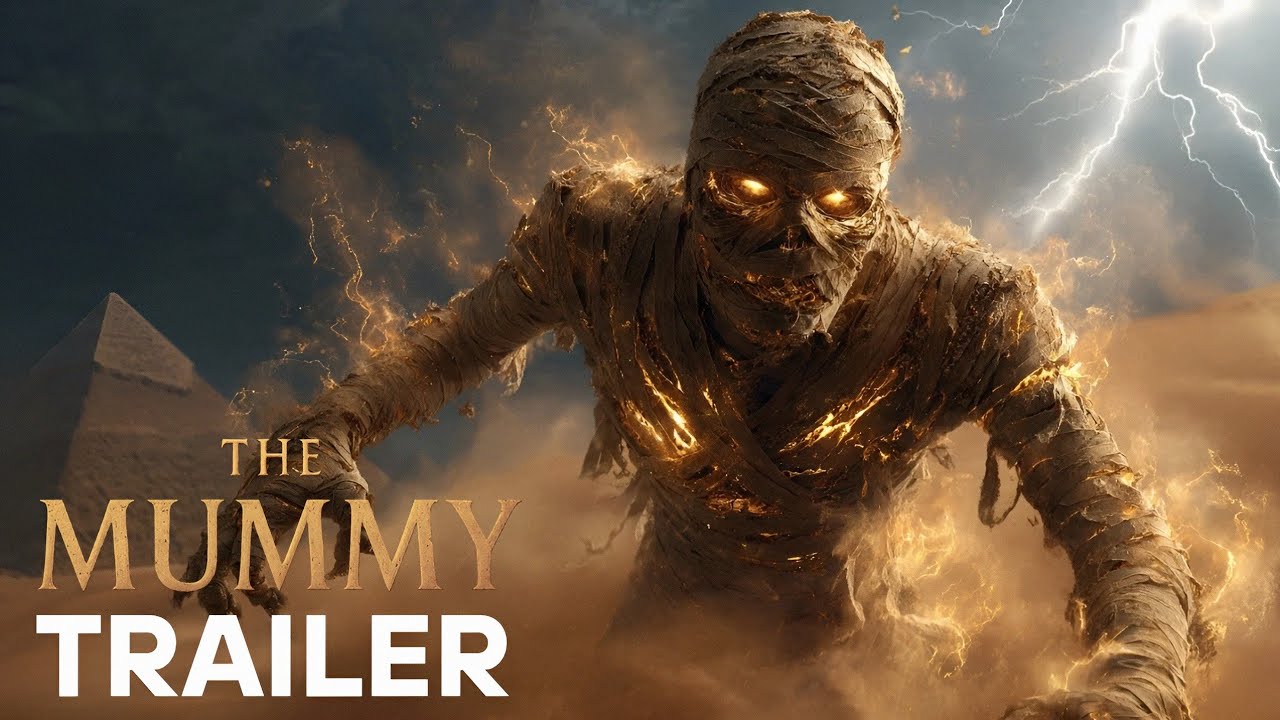
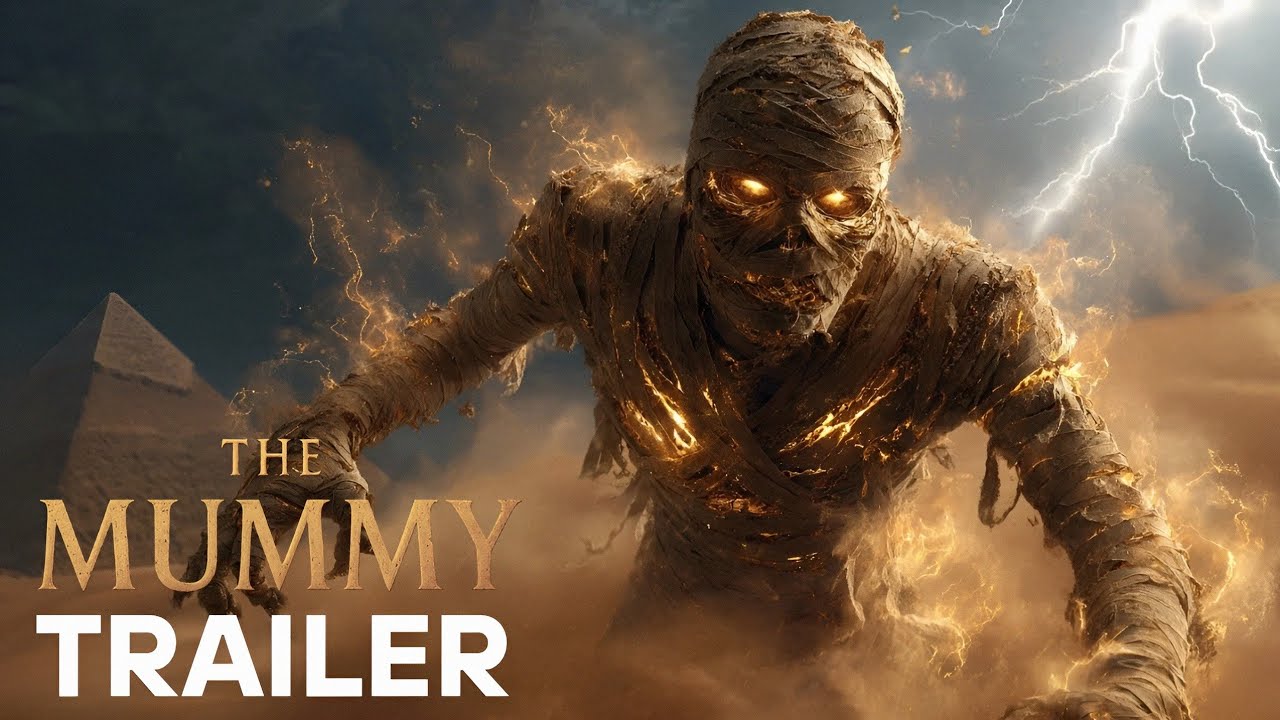
Johnson’s Anubis is the film’s emotional core. Half-mummified and wrapped in hieroglyphic light, he conveys sorrow and menace in equal measure. This is not a wisecracking demigod, but a weary instrument of divine law, and Johnson gives him a surprising gravity.
Direction and Visual Spectacle
The film’s direction favors quick, merciless cuts that keep the viewer off balance. Action sequences unfold with operatic scale: sand tsunamis swallowing freeways, statues stepping off their pedestals, and a London Metro train overrun by scuttling scarabs. These moments are designed to overwhelm, and they largely succeed.
The visual effects are dense but purposeful. When a black stone pyramid rises through downtown Cairo in the final act, blotting out the sun, it feels less like a gimmick and more like the physical manifestation of judgment itself. The imagery lingers, not because it is loud, but because it is loaded with meaning.
Themes Beneath the Spectacle
What elevates The Mummy 5 above standard blockbuster fare is its thematic ambition. The film wrestles with the consequences of excavation, both literal and moral. Digging into the past is shown as an act of violence when done without humility. The ancient gods are not villains seeking conquest; they are systems of order responding to imbalance.
The question the film keeps returning to is unsettling: if judgment comes, do we deserve to survive it? The movie does not offer easy answers, and that restraint is one of its strengths.
Strengths
- Mythology treated with seriousness and scale
- A commanding performance from Dwayne Johnson
- Action sequences that serve the story rather than distract from it
- Atmosphere that balances dread with wonder
Weaknesses
- A dense mythological framework may overwhelm casual viewers
- Some secondary characters feel underdeveloped
- The relentless pace leaves little room for quiet reflection
Final Verdict
The Mummy 5 (2026) is not content to simply resurrect a franchise; it seeks to pass judgment on it. By embracing darker themes and mythic weight, the film delivers a muscular, thoughtful blockbuster that respects both its audience and its source material. It may not please viewers looking for lighthearted adventure, but for those willing to stare into the sands of ancient consequence, it offers a thrilling and surprisingly contemplative ride.