


An Adulthood Reckoning Beneath the Makeup
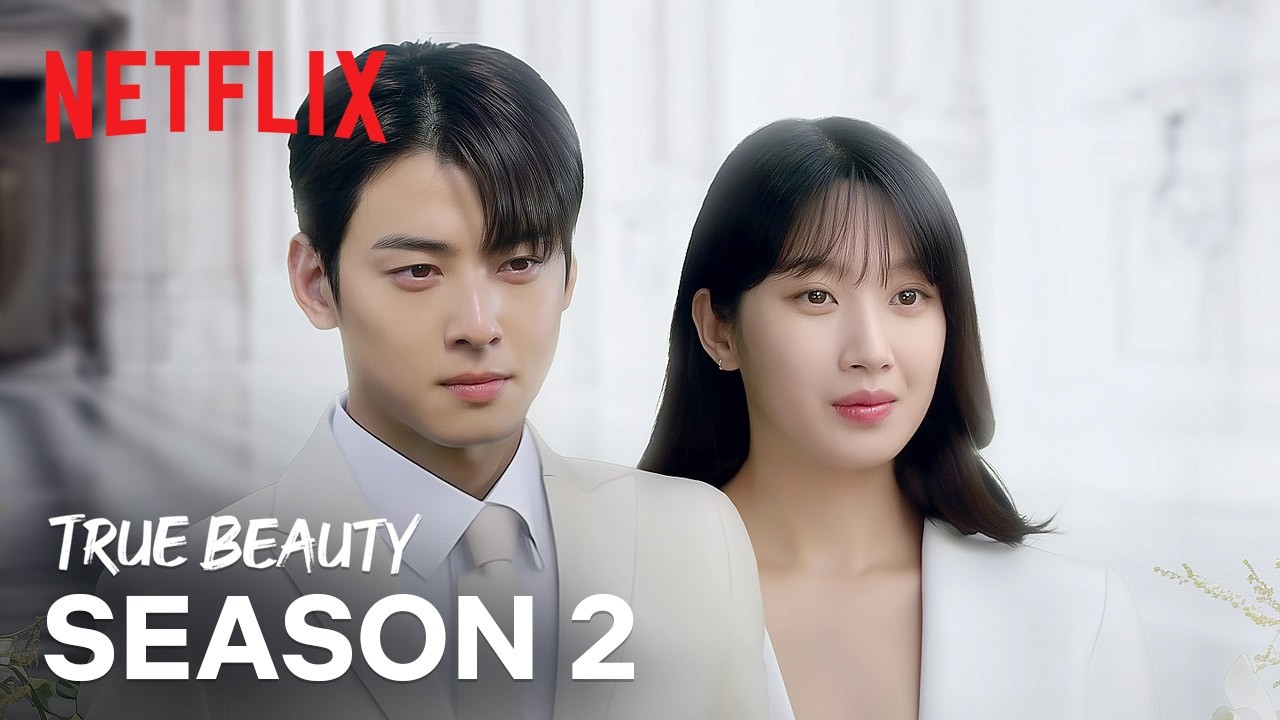
True Beauty returns for a second season with the confidence of a series that knows its audience and the humility of a story still willing to question itself. Where the first season flirted with fairy-tale romance and the intoxicating rush of transformation, Season 2 asks a harder question: what happens when the applause gets louder but the mirror grows more unforgiving? This is a continuation that trades some youthful sparkle for something rarer in television romance—emotional consequence.

Lim Ju-kyung Steps Into the Spotlight
Moon Ga-young’s Lim Ju-kyung is no longer simply a student learning to survive social hierarchies. She is an adult navigating the beauty industry, a world that promises empowerment while quietly monetizing insecurity. The series smartly resists turning this arc into a glossy success montage. Instead, it lingers on the small fractures: the anxiety before a public appearance, the fear of being discovered as ordinary, the exhausting performance of confidence.

Moon Ga-young delivers her most layered work yet, allowing Ju-kyung’s charm to coexist with doubt. Her performance understands that maturity is not the absence of fear, but the ability to carry it without letting it dictate every choice.

Han Seo-jun: Music, Masculinity, and Vulnerability
Hwang In-yeop’s Han Seo-jun experiences one of the season’s most compelling evolutions. His rise in music could have been framed as a triumphal counterpoint to Ju-kyung’s struggles, but the series wisely complicates it. Success amplifies his unresolved grief and emotional isolation, revealing how public adoration can deepen private loneliness.
Seo-jun’s vulnerability is not performative. It is awkward, sometimes misdirected, and often painful. Hwang In-yeop plays these moments with restraint, making Seo-jun’s silences speak louder than any confession. The result is a character who feels lived-in rather than idealized.
The Emotional Geometry of Love Triangles
Season 2 leans into mature romance, not by escalating melodrama, but by allowing characters to make imperfect decisions and live with them. The lingering heartbreak between Ju-kyung and Seo-jun is not fueled by misunderstandings alone, but by timing, ambition, and self-protection. Love here is not a prize to be won; it is a responsibility that demands honesty.
The emotional triangle functions less as a gimmick and more as a lens through which the series examines identity. Who are these characters when no one is watching, and who do they become when everyone is?
New Faces, New Frictions
New rivals and friendships enter the narrative with purpose, not clutter. These additions reflect different responses to the same pressures: comparison, visibility, and self-worth. Some characters weaponize perfection, others retreat into cynicism, and a few learn the radical act of self-acceptance. The ensemble feels curated rather than crowded, each presence nudging the story toward introspection.
Visual Storytelling and Direction
Visually, the season balances polish with intimacy. Public spaces glow with aspirational sheen, while private moments are framed more modestly, often allowing silence to do the work. The direction understands when to step back, trusting the actors to carry emotional weight without editorial intrusion.
The pacing occasionally slows, especially in mid-season episodes devoted to internal conflict. Yet this patience feels intentional. True Beauty Season 2 is less interested in racing toward resolutions than in sitting with uncertainty.
Themes of Self-Love and Identity
At its core, the season’s most resonant theme is the cost of hiding. Makeup, fame, and romance are all presented as tools—useful, seductive, but insufficient substitutes for self-acceptance. The show never condemns beauty or ambition; instead, it asks who gets to define them.
- The pressure of public validation versus private peace
- The difference between being admired and being known
- The slow, uneven journey toward self-love
Final Verdict
True Beauty Season 2 is a thoughtful evolution rather than a flashy reinvention. It understands that growing up means trading simple fantasies for complicated truths, and it treats its characters with the respect that growth demands. While it may test the patience of viewers craving constant romantic payoff, it rewards those willing to engage with its emotional honesty.
This is a season that suggests real beauty begins not when the mask is perfected, but when it is no longer needed. In that quiet assertion lies the show’s most confident statement yet.