


Baba Yaga: House of Shadows (2026) Review
For years, the legend of Baba Yaga has haunted the dark corners of Slavic folklore, a mythical witch whose power can tear apart the fabric of reality itself. With its mesmerizing visuals and ominous atmosphere, Baba Yaga: House of Shadows brings this terrifying figure to life in a way that few films have attempted. Directed by a filmmaker unafraid of delving into the darkest recesses of the human soul, this dark fantasy epic sees the collision of magic and steel, where every choice comes at the price of blood.

Plot Overview
Deep within an ancient forest, where the trees whisper secrets of a time long past, Baba Yaga’s house stands, perched on legs like that of a twisted bird. As the legend goes, those who wander too close will be swallowed whole by the dark magic that permeates the area. The film introduces us to two unlikely protagonists: an ex-mercenary, haunted by his past, and a scholar desperate to retrieve a forbidden relic from the witch’s haunted abode. Together, they must brave the House of Shadows before its insidious power consumes the living world.

Performances and Characters
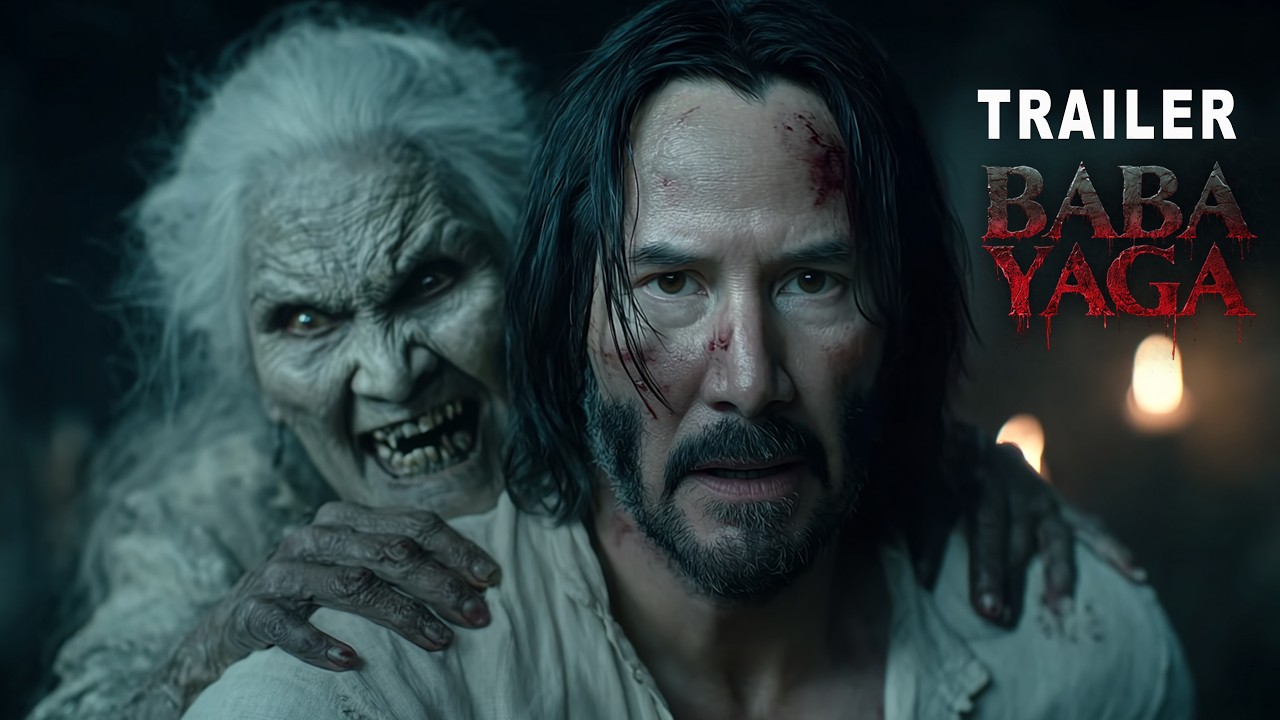
Keanu Reeves, known for his stoic performances, lends a depth of complexity to his role as the ex-mercenary. His internal conflict, often communicated through sharp silences and lingering glances, provides a sharp contrast to the otherworldly magic surrounding him. Jennifer Lawrence, as the scholar, offers a performance that blends intellect with vulnerability, showcasing her ability to convey both strength and fragility in equal measure. The chemistry between the two is palpable, their uneasy alliance growing into a genuine bond as the stakes become ever higher.

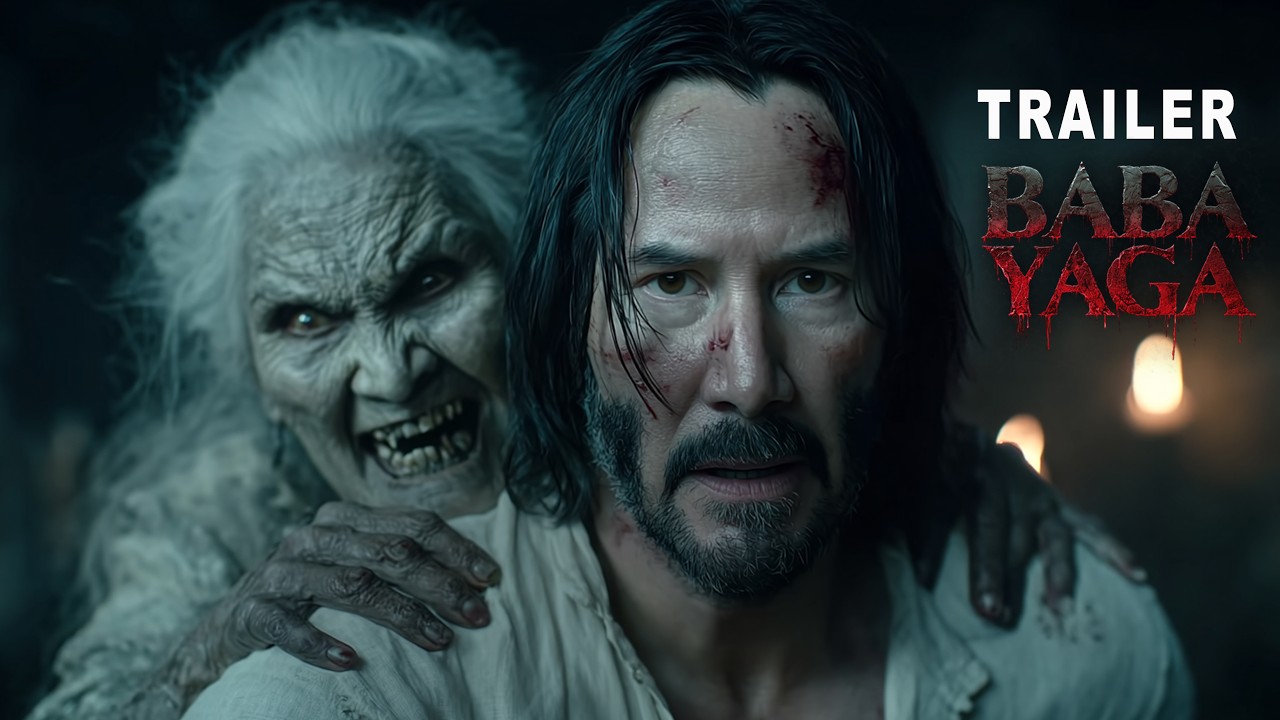
However, the true star of the film is the titular Baba Yaga, portrayed with unnerving elegance. The witch is not merely a villain but a force of nature, as unpredictable as the shadows that fill her house. Her presence lingers throughout the film, casting an ever-present threat over the protagonists. Every scene involving her is a chilling dance between beauty and horror, a reminder that the supernatural is both awe-inspiring and terrifying.
Visuals and Cinematography
The film’s cinematography is one of its strongest points. Every frame feels meticulously crafted, as if each scene is a painting that demands close inspection. The forest itself becomes a living, breathing character, with twisted trees and fog-shrouded paths leading to Baba Yaga’s lair. The use of shadow is particularly effective, with darkness playing a crucial role in building tension. The House of Shadows, with its shifting walls and mysterious inhabitants, is a visual marvel that captures the essence of ancient magic and forbidden knowledge.
Direction and Storytelling
Director [Director Name] takes a risk by blending elements of high fantasy with psychological horror. The pacing of the film, at times slow and deliberate, allows for an atmospheric build-up that perfectly matches the tension of the narrative. The world-building, while expansive, never overwhelms the plot. Instead, it enhances the characters’ journey, making every step toward the House of Shadows feel fraught with danger. This is a story about more than just survival—it’s about the personal cost of seeking knowledge and the power of ancient, malevolent forces.
Final Thoughts
Baba Yaga: House of Shadows is a film that thrives on its atmosphere and performances, expertly blending dark fantasy with elements of psychological horror. Its slow-burn tension and haunting imagery stay with you long after the credits roll. While the story may feel familiar to fans of dark fantasy, its execution is anything but predictable. For those who enjoy a tale where magic comes with a price, and the line between good and evil is blurred, this film is an unforgettable journey into the darkness.